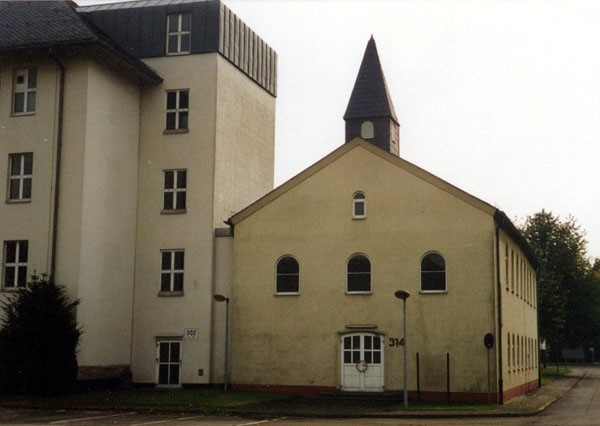
ABRAMS COMPLEX

FRANKFURT GERMANY

(SOURCE: WIKIPEDIA)

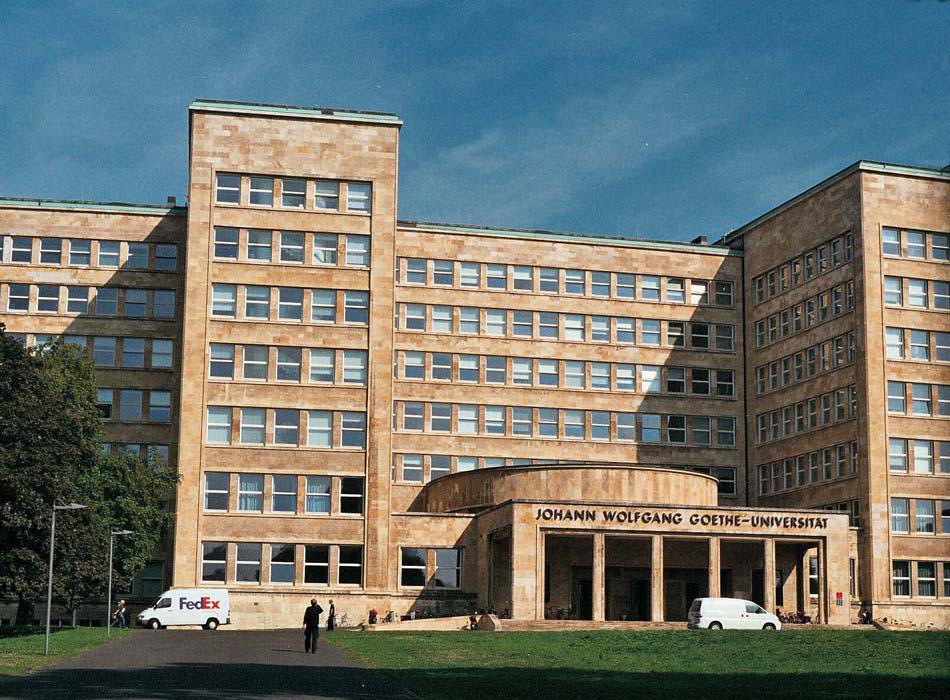
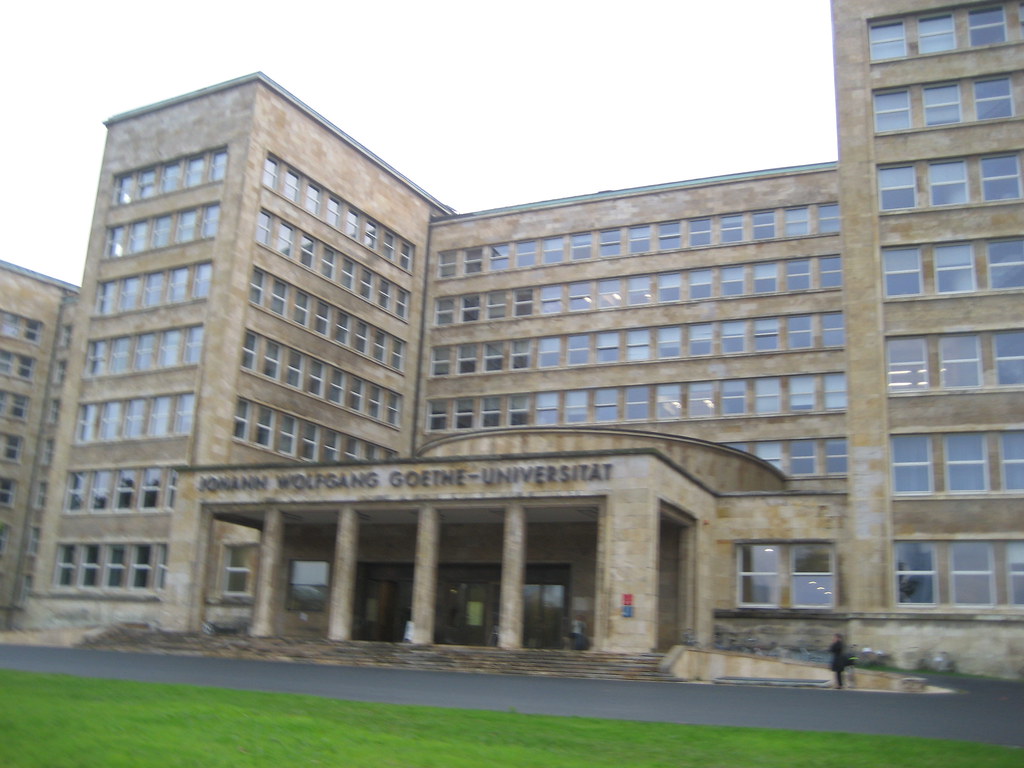
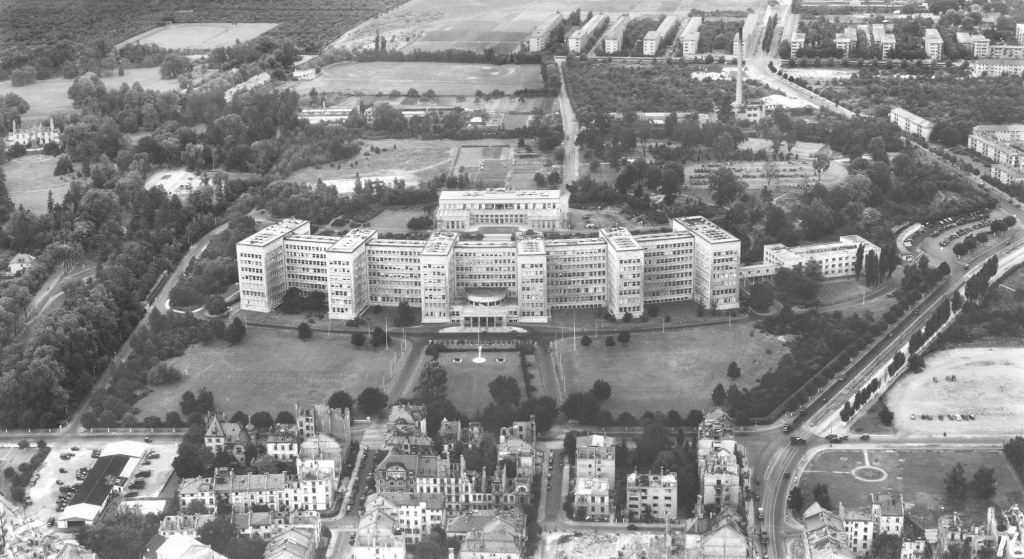
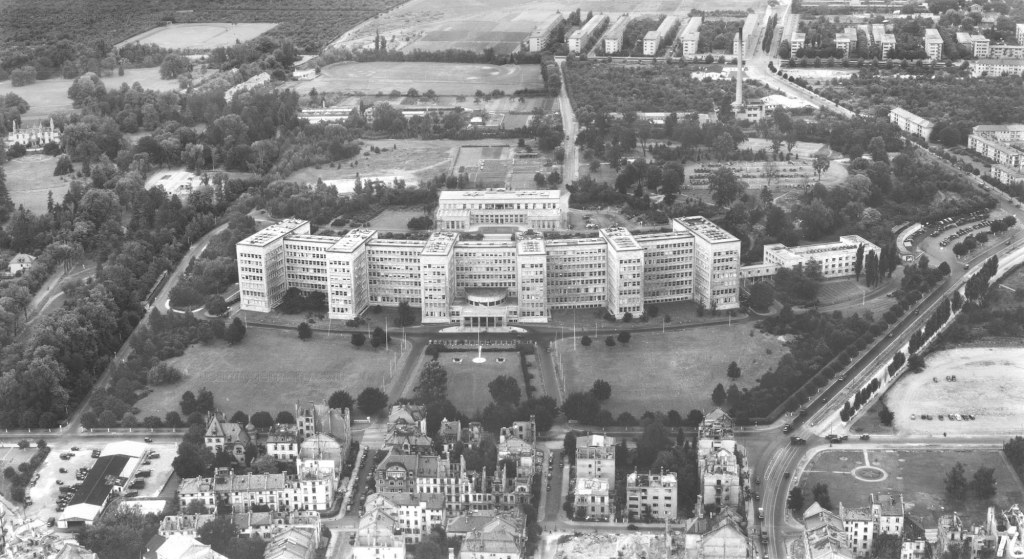
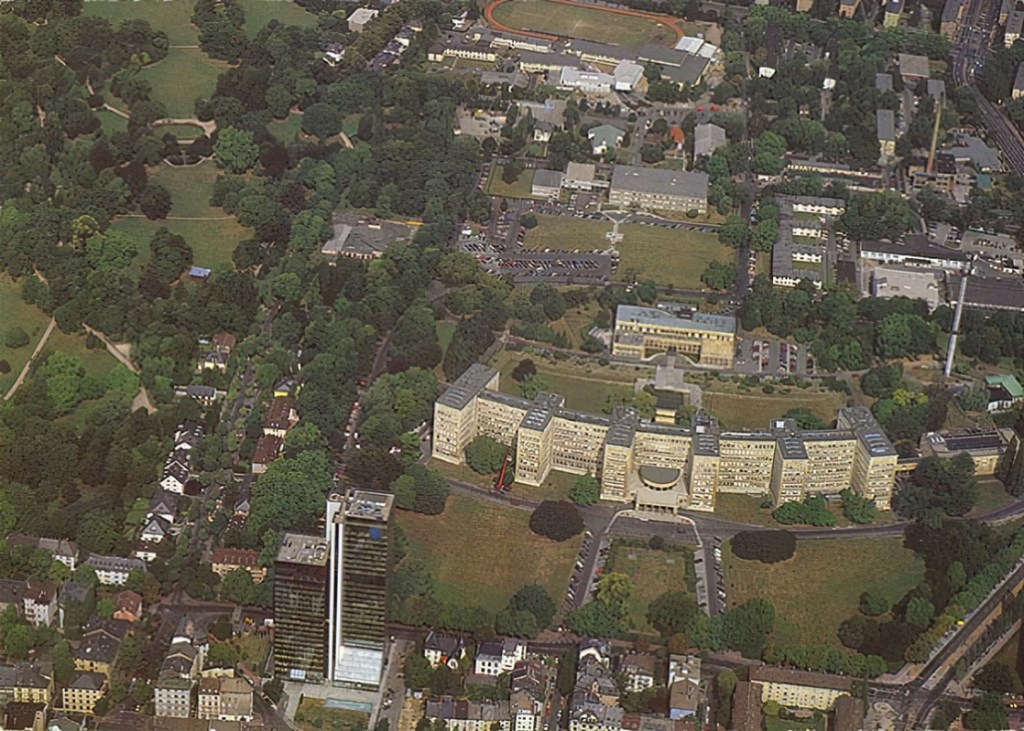
The IG Farben Building – also known as the Poelzig Building and the Abrams Building, formerly informally called The Pentagon of Europe – is a building complex in Frankfurt, Germany, which currently serves as the main structure of the West End Campus of the University of Frankfurt. Construction began in 1928 and was complete in 1930 as the corporate headquarters of the IG Farben conglomerate, then the world’s largest chemical company and the world’s fourth-largest company overall.

The building’s original design in the modernist New Objectivity style was the subject of a competition which was eventually won by the architect Hans Poelzig. On its completion, the complex was the largest office building in Europe and remained so until the 1950s. The IG Farben Building’s six square wings retain a modern, spare elegance, despite its mammoth size. It is also notable for its paternoster elevators.

The building was the headquarters for production administration of dyes, pharmaceutical drugs, magnesium, lubricating oil, explosives, and methanol, and for research projects relating to the development of synthetic oil and rubber during World War II. Notably IG Farben scientists discovered the first antibiotic, fundamentally reformed medical research and “opened a new era in medicine.” After World War II, the IG Farben Building served as the headquarters for the Supreme Allied Command and from 1949 to 1952 the High Commissioner for Germany (HICOG). Notably Dwight D. Eisenhower had his office in the building. It became the principal location for implementing the Marshall Plan, which supported the post-war reconstruction of Europe. The 1948 Frankfurt Documents, which led to the creation of a West German state allied with the western powers, were signed in the building. The IG Farben Building served as the headquarters for the US Army’s V Corps and the Northern Area Command (NACOM) until 1995. It was also the headquarters of the CIA in Germany. During the early Cold War, it was referred to by US authorities as the Headquarters Building, United States Army Europe (USAREUR); the US Army renamed the building the General Creighton W. Abrams Building in 1975. It was informally referred to as “The Pentagon of Europe.”

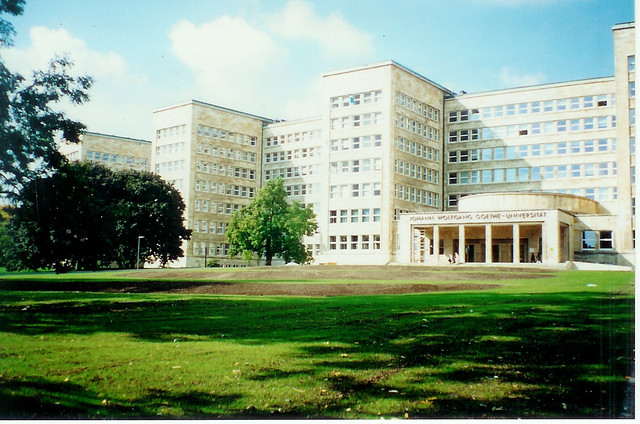
In 1995, the US Army transferred the IG Farben Building to the German government, and it was purchased by the state of Hesse on behalf of the University of Frankfurt. Renamed the Poelzig Building in honour of its architect, the building underwent a restoration and was opened as part of the university in 2001. It is the central building of the West End Campus of the university, which also includes over a dozen other buildings built after 2001.
AARTAL KASERNE

HERBORN-SEELBACH GERMAN

(Source: WIKIPEDIA)

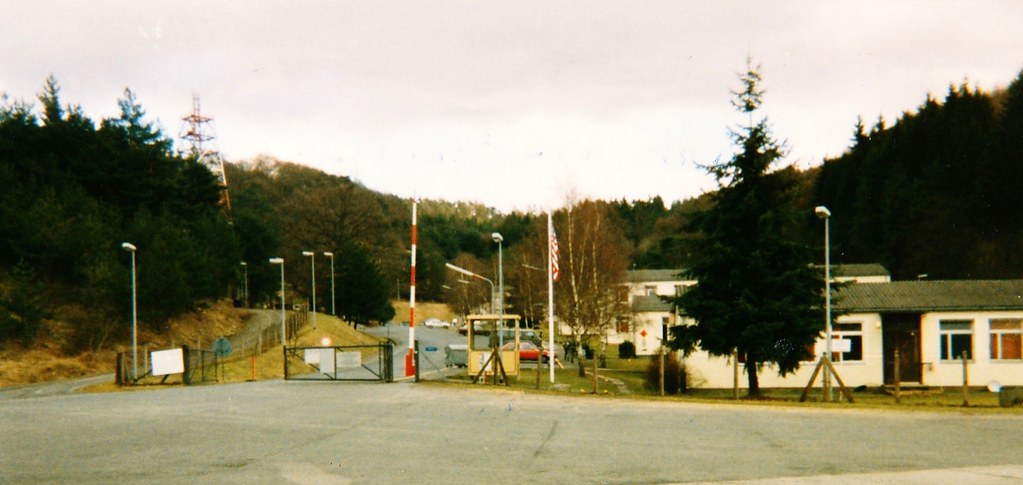
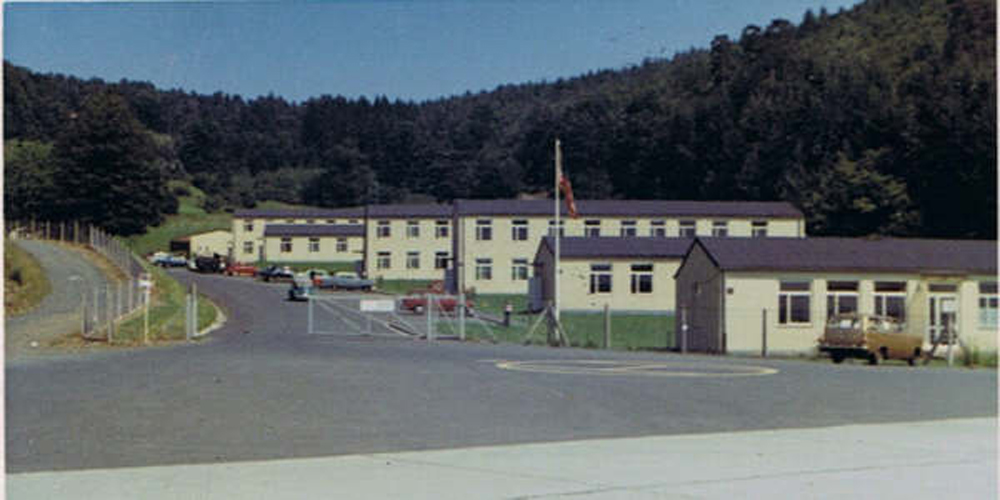
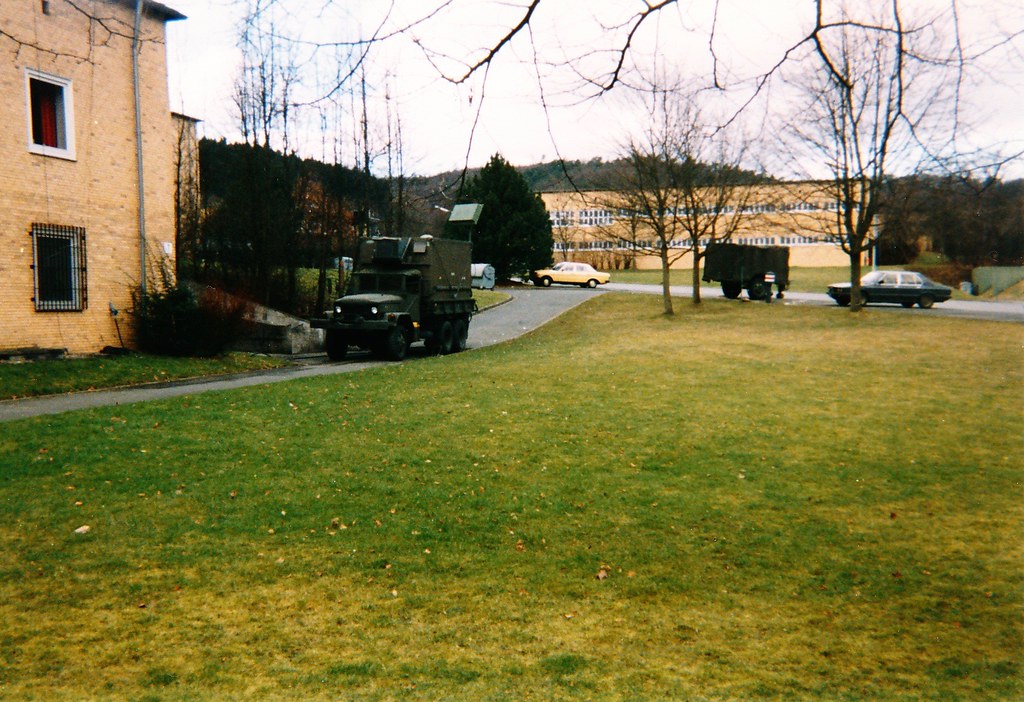
The Aartal-Kaserne was a location of the Bundeswehr and the US Army in Herborn-Seelbach in central Hesse from 1966 to 1993.

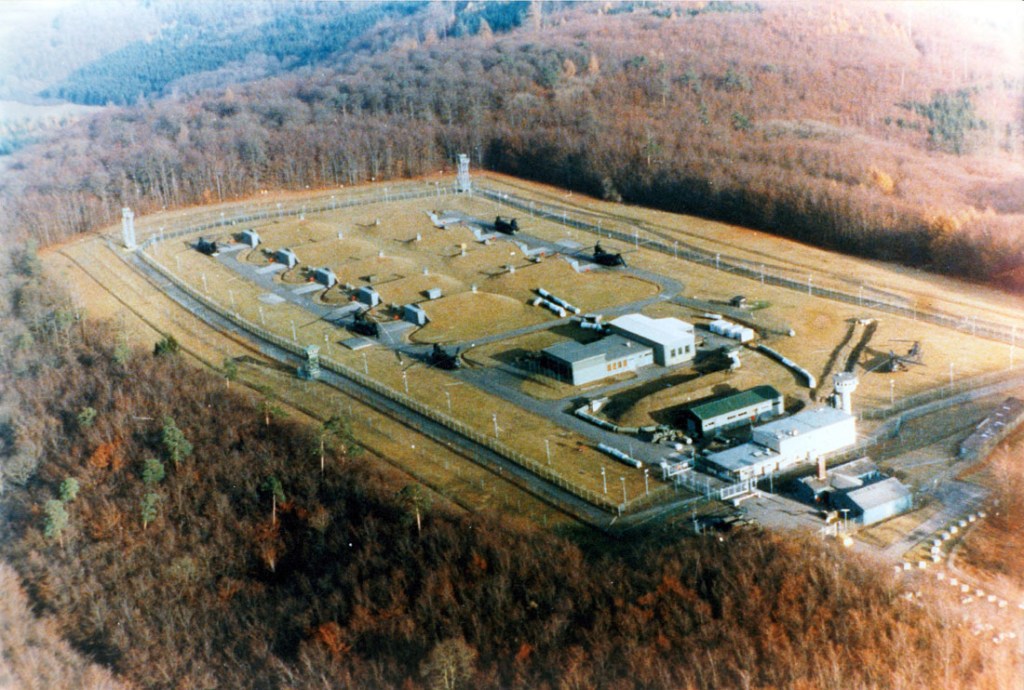
In March 1962, the then Minister of Defense Franz Josef Strauß had decided to build a Bundeswehr site near the central Hessian town of Herborn to protect the Bellersdorf special ammunition depot, where both German and American soldiers were to be accommodated. The former municipality of Herbornseelbach was then chosen as the location.

In May 1966, the first soldiers moved into the new barracks, which had not yet been completely completed. They were advance soldiers of the Transport Battalion for Special Weapons SW 83 and the Fernspähkompanie 300. The official handover of the site took place on 6 September 1967 and the Aartal barracks were closed on 30 September 1993.

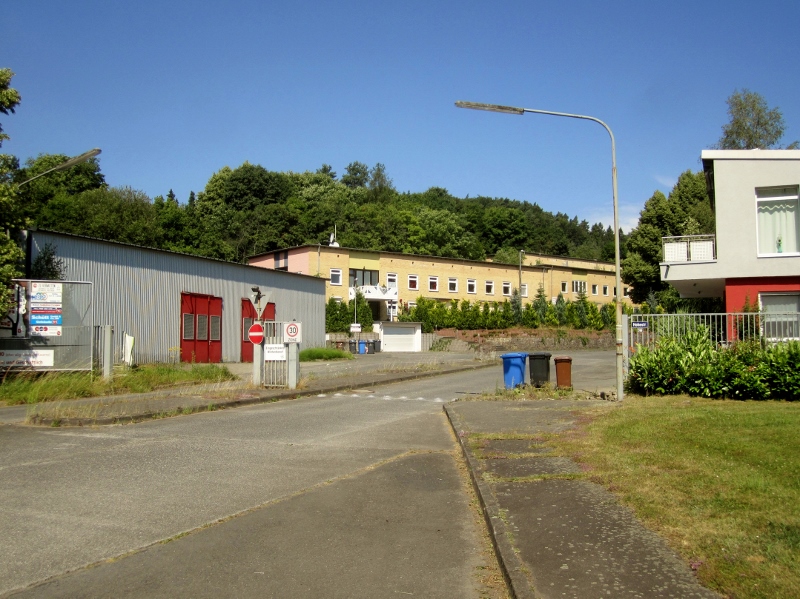
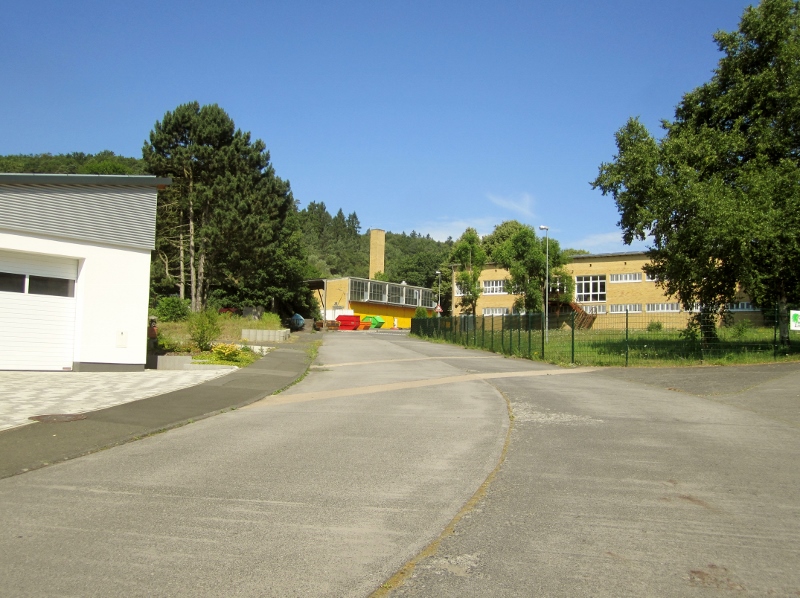
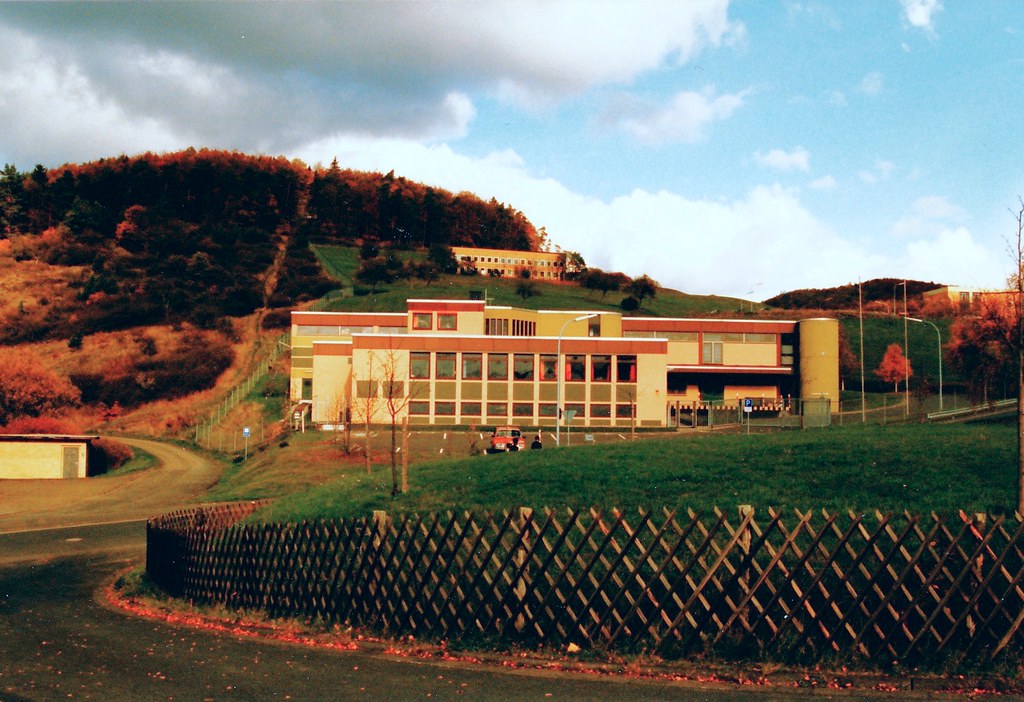
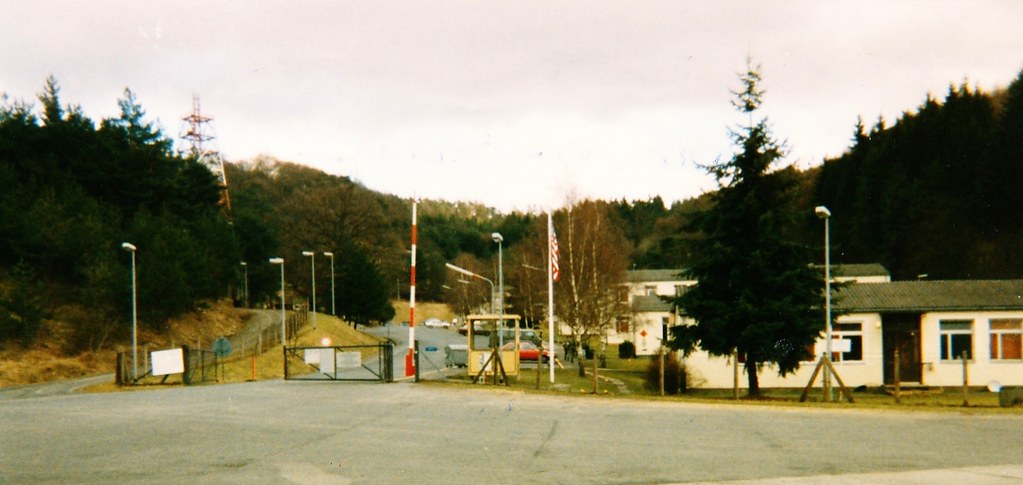
The Aartal barracks consisted of two parts, the German one in the west and the American one in the east. Under the barracks there is still a large bunker complex. For the soldiers and their families, a new housing estate of multi-family and terraced houses was built in the 1960s between Aartal-Kaserne and Herborn-Seelbach. There was also an American school.

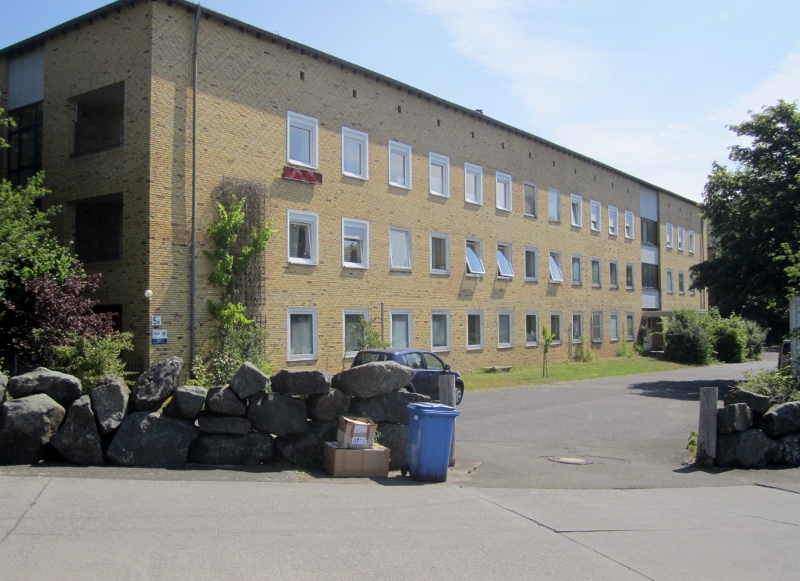
Today, the former barracks are used as a commercial and residential area.

The Aartal barracks consisted of two parts, the German one in the west and the American one in the east. Under the barracks there is still a large bunker complex. For the soldiers and their families, a new housing estate of multi-family and terraced houses was built in the 1960s between Aartal-Kaserne and Herborn-Seelbach. There was also an American school.

Today, the former barracks are used as a commercial and residential area.

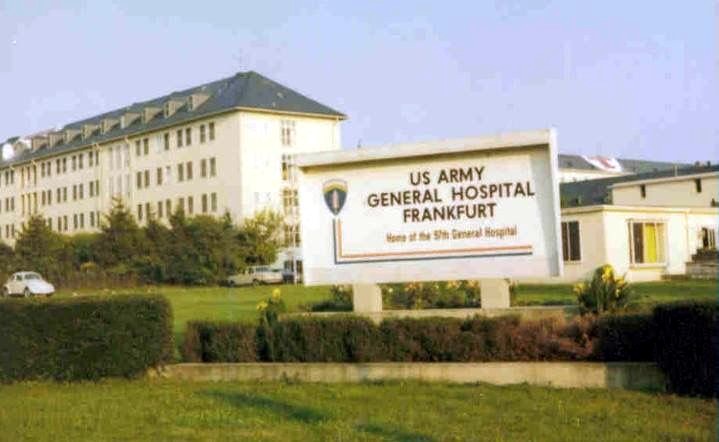
97th GENERAL HOSPITAL

FRANKFURT GERMANY

(Source: USAREUR Military History Office – Online Medical Histories, 2002)


The 97th was selected for special service to aid in the Berlin air-lift in 1948-49; for its support of the operation, it was awarded the “Army of Occupation Medal with the Berlin Air-Lift Device”.

On 1 January 1954, the hospital was redesignated US Army Hospital, Frankfurt operated by the 97th General Hospital with a total expandible bed capacity of 1,000.

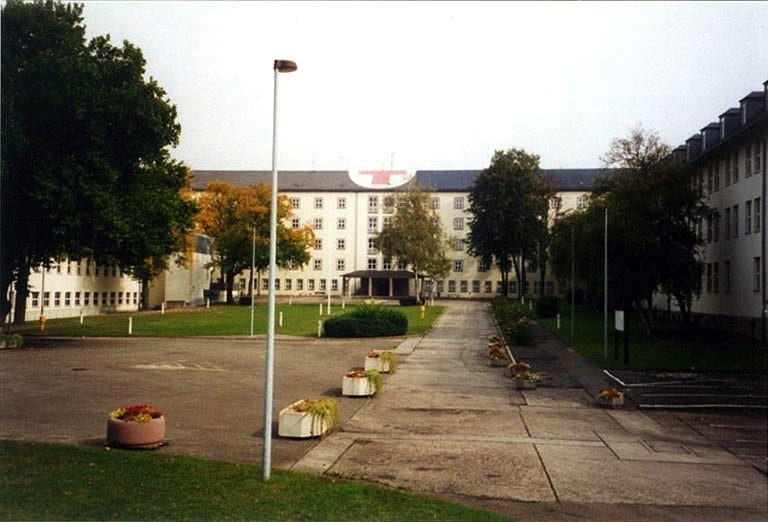
The 97th General Hospital and the Frankfurt Army Regional Medical Center (FARMC) is the largest and busiest in Europe. Comprised of 11 troop medical clinics, 22 dental clinics, 3 veterinary detachments and numerous other field and TO&E units spanning a 100 mile radius. The 97th General Hospital is authorized an operating bed level of 330 plus 30 remaining overnight beds for evacuation patients. The hospital functions as the medical evaluation center for patients being evacuated to the United States. It also operates a regional neonatal intensive care unit for the dependents of US Army Forces in Europe. The hospital provides specialized treatment in 22 areas to include: allergy, audiology, cardiology, dermatology, gastroenterology, internal medicine, dentistry, neurology, obstetrics and gynecology, orthopedics, pediatrics, pulmonary disease, psychiatry, rheumatology and urology. The 97th General Hospital and the Frankfurt Army Regional Medical Center continues to function as the home of concerned care.